


IT-WATER: co-designing drought indicators in Italy
Due to climate change and global warming, in recent years Italy has experienced increasing threats to water security: prolonged drought events and intense floods, occurring more frequently, are jeopardizing not only agriculture and industry, but also energy production, ecosystems, freshwater supply, and the daily life of citizens.
The National Climate Change Adaptation Plan (PNACC) highlights that water scarcity—driven by changes in precipitation regimes and increasingly higher temperatures—will become a more recurrent and widespread threat. Better understanding how droughts will evolve in the future is therefore an urgent and fundamental objective.
This is where IT-WATER comes in: a project led by CIMA Research Foundation in collaboration with ItaliaMeteo and Fadeout Software, funded by the PNRR, aiming to improve understanding of how climate change will affect water resources in Italy by developing nationwide hydrological models linked to climate scenarios.
By leveraging high-performance computing (HPC) on infrastructures such as those of CINECA, the project will deliver the first detailed scenarios of water resource evolution in the country over the coming decades. This will be achieved through climate data analysis, adaptation of hydrological models for execution on supercomputers, and the development of drought indices.
To provide concrete tools that strengthen the country’s water resilience, the project has included stakeholder engagement from the earliest stages as a central element for developing results that are relevant to decision-making. These stakeholders were selected as a representative sample from national-scale water resource management bodies and research institutions working on climate change and water resources.
A collaborative approach to water resilience
Dialogue with interested institutions and companies began in the fifth month after IT-WATER started, with an initial project presentation webinar held in February 2025. This was followed by an ad hoc questionnaire designed to collect early feedback on current challenges in operational drought management and on climate change.
Survey results confirmed the relevance and timeliness of the IT-WATER project, highlighting the crucial role of data and monitoring, interest in decision-support tools and adaptation strategies, and the need for integrated and systemic approaches.
Towards a shared portfolio of indicators
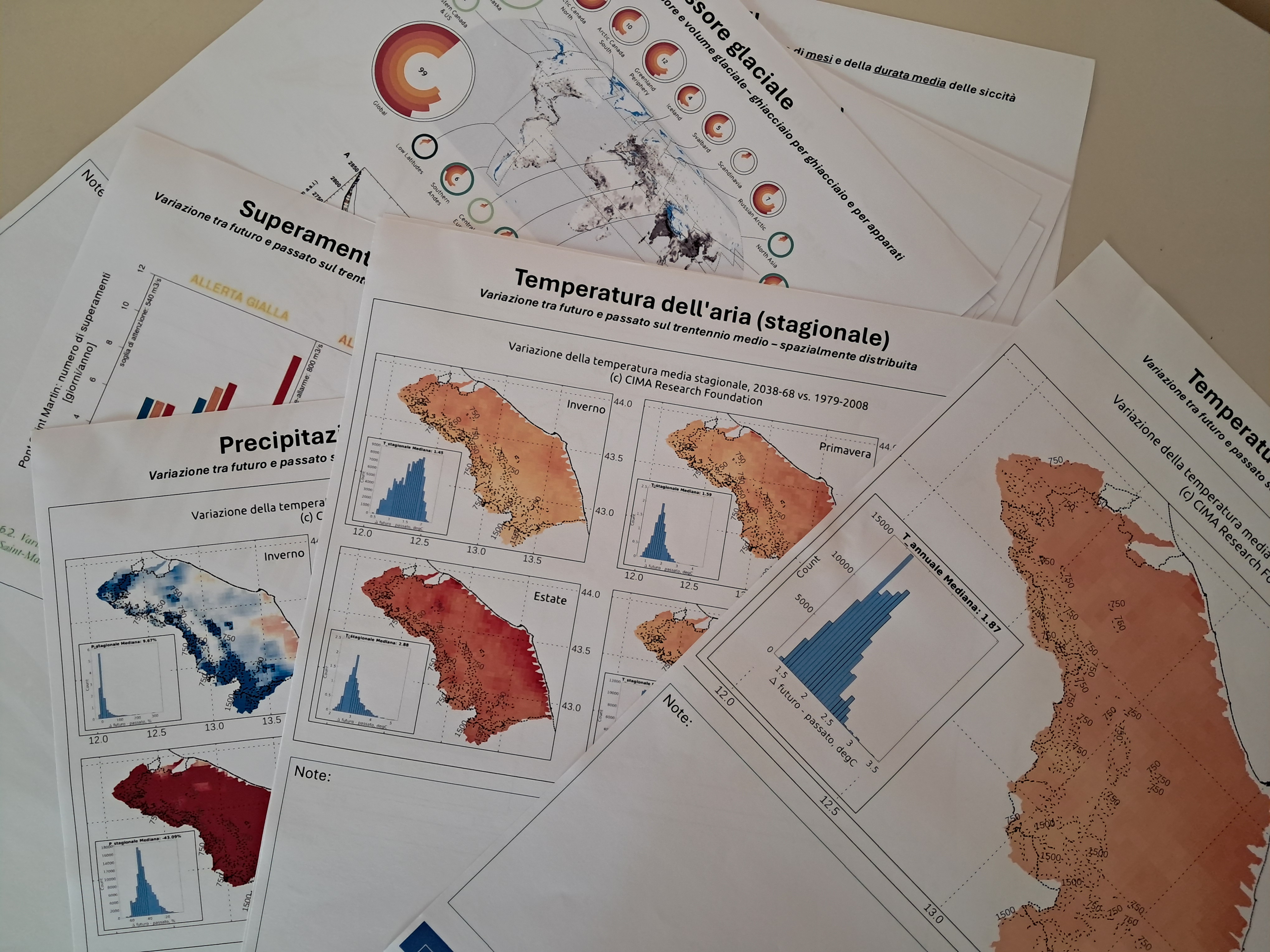
Building on the survey analysis, a first portfolio of indices representative of project outputs was developed. This proposal was presented to stakeholders during a second webinar in July 2025 and then explored further in an in-person workshop held in September 2025 in Bologna.
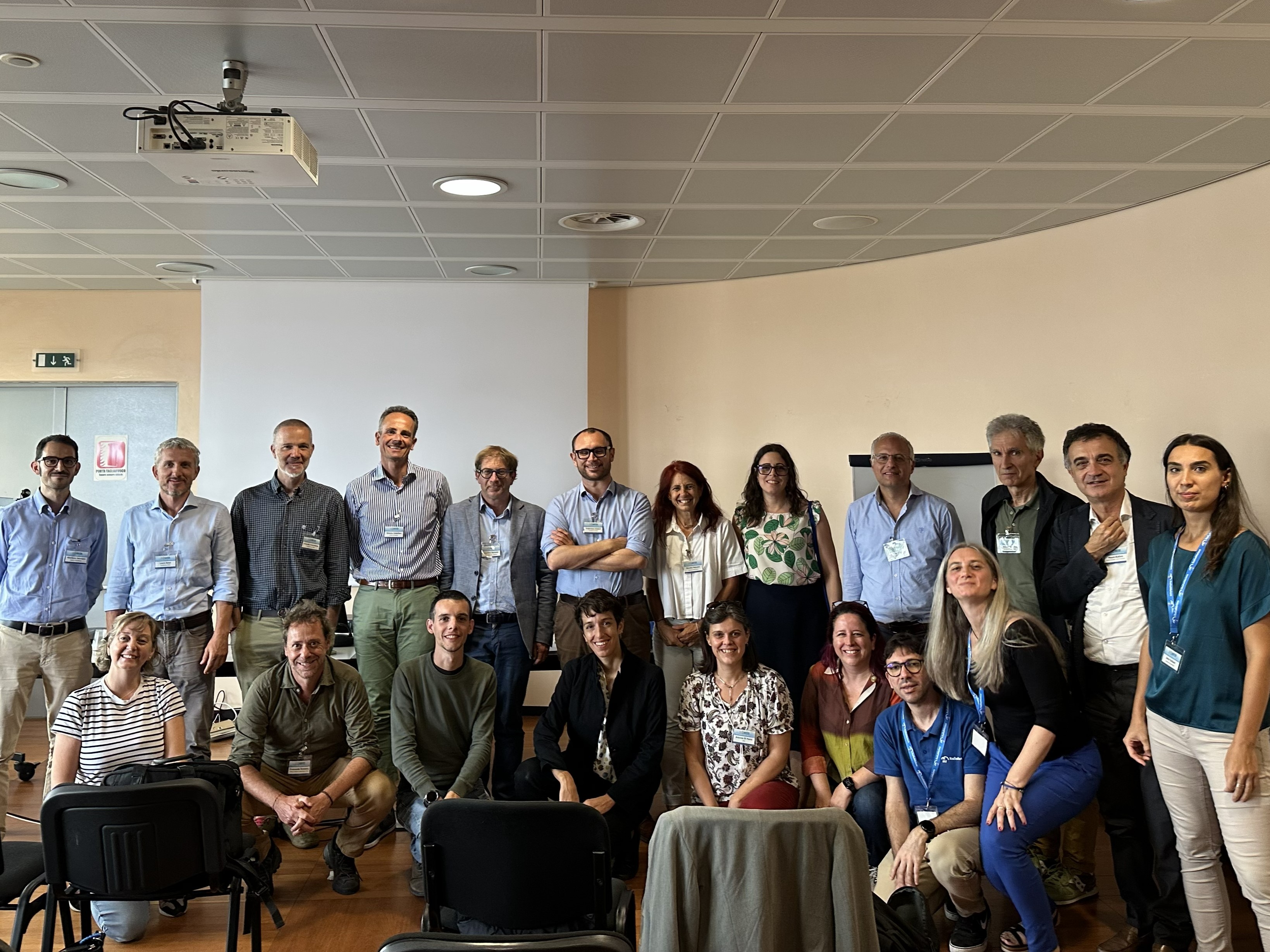
The main goal of the meeting was to synthesize and co-design a shared portfolio of indicators, useful both for those involved in water resource management and for professionals working in sectors that require this information on a daily basis. In other words, to ask how to communicate effectively the impact of climate change on water resources, which metrics to use, and how to represent them clearly and in a way that supports practical needs.
A participatory and interdisciplinary process: a workshop in Bologna
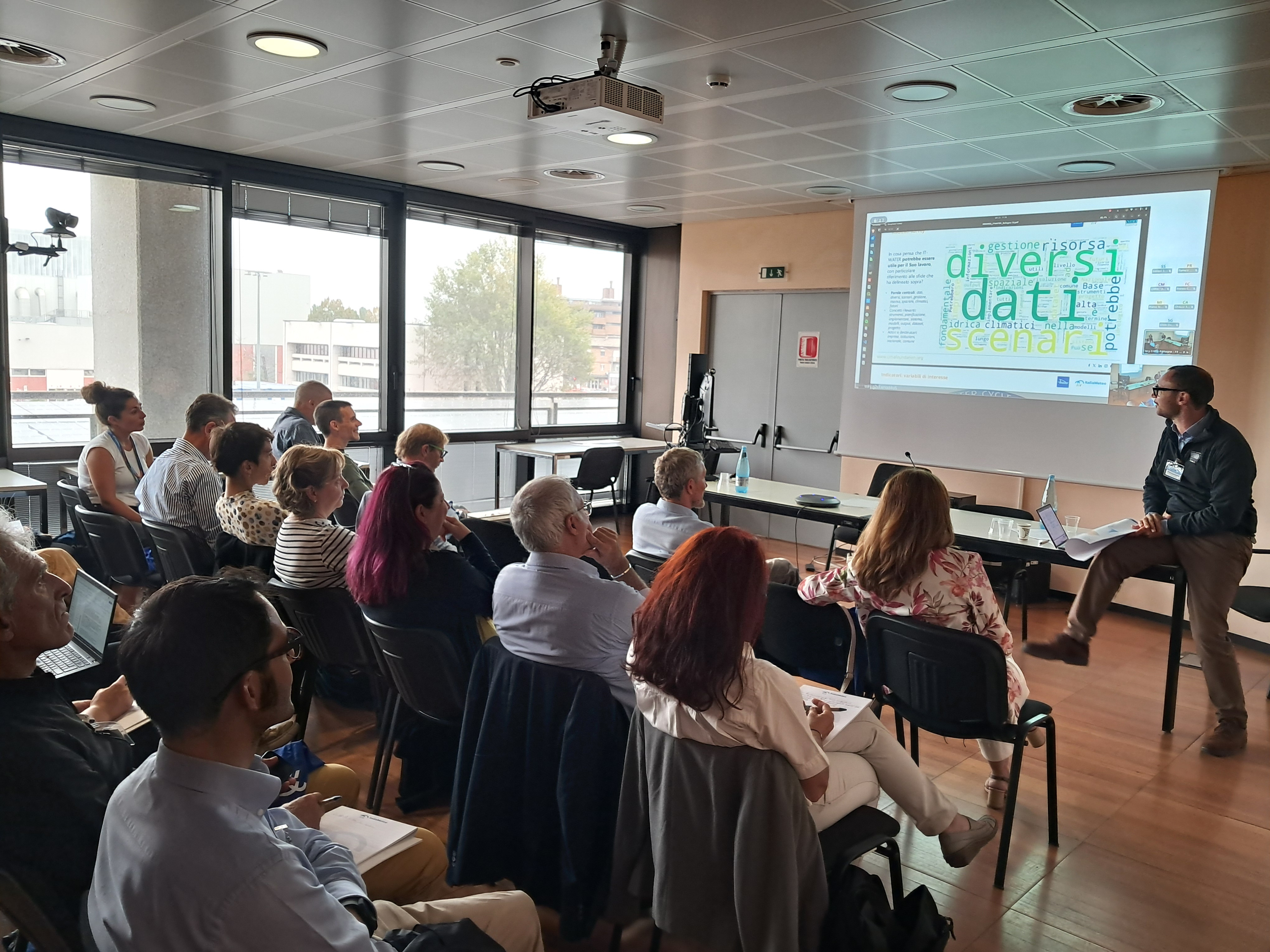
More than thirty professionals from across Italy took part in the day, coming from operational agencies in different regions (such as Emilia-Romagna, Calabria, and Campania), national research institutes, and private or public companies. Participants were invited as a representative sample based on their national roles or their professional field/sector of application.
Following an introductory overview by Gerardo Sansone from the Mission Structure for Combating Water Scarcity and Strengthening Water Infrastructure, who outlined the main challenges of water resource management in Italy, Francesco Avanzi of Fondazione CIMA presented the objectives and upcoming steps of the IT-WATER project. He emphasized the importance of direct dialogue with those working in the sector to gather feedback that can guide the development of products that are truly useful and effective for everyday work and relevant to decision makers.
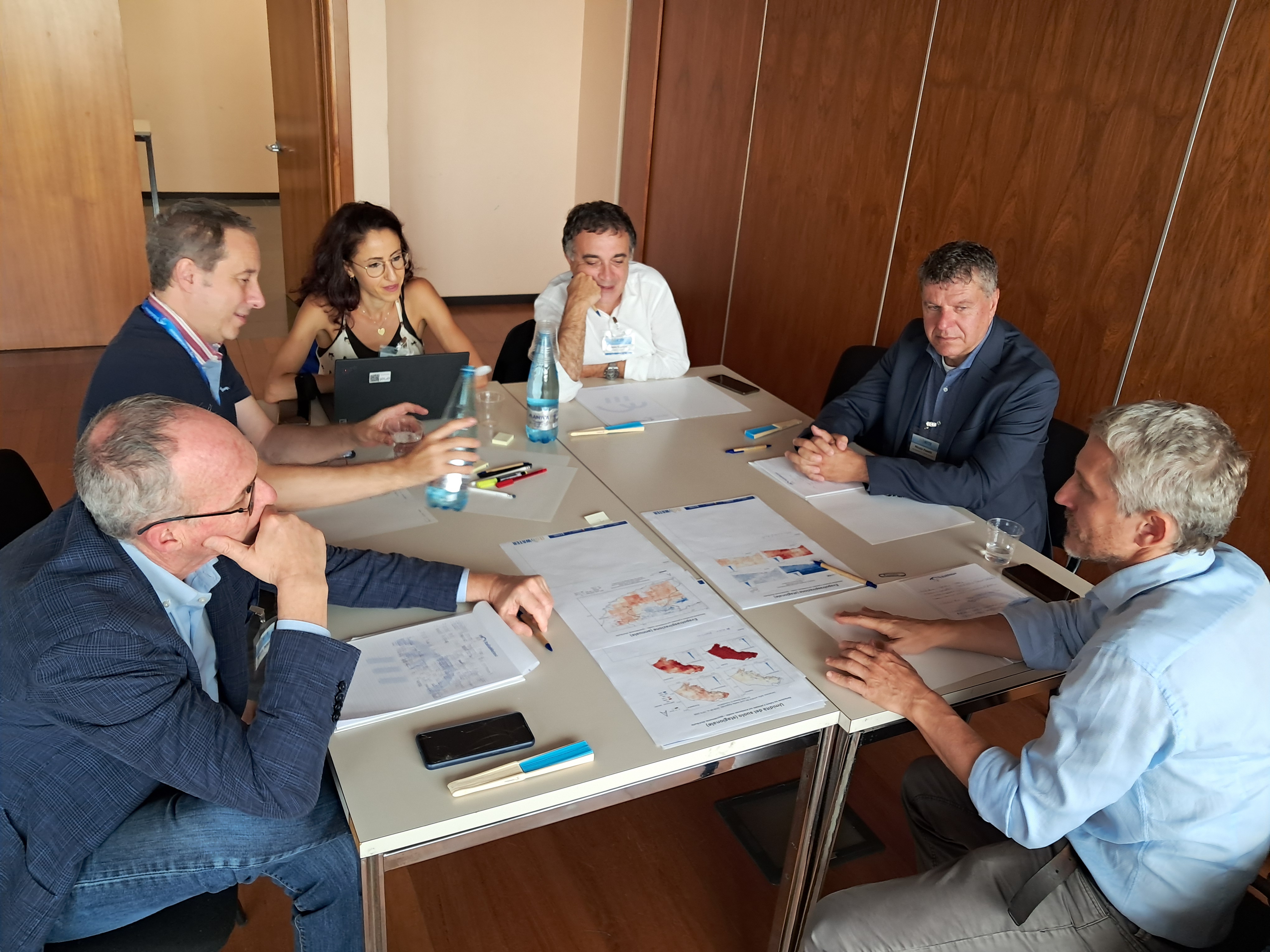
Participants were then divided into four heterogeneous working groups, each of which had the opportunity to comment on, evaluate, expand, and provide opinions on the proposed indicators through engaged and constructive discussions, benefiting from diverse perspectives and expertise.
The discussion then moved to a plenary level in a collective and interactive exchange and idea-sharing session, which played a significant role in the success of the day.
From discussion to the final document
CIMA Research Foundation and ItaliaMeteo are now synthesizing all the insights and comments that emerged in group sessions and plenary discussion into a shared document that will be published at the end of the project: a portfolio of indicators suitable for representing water-resource scenarios.
This portfolio may serve as an example of participatory guidance on how to represent hydro-climatic scenarios. IT-WATER is in fact the first national-scale example of developing scenarios not only for climate variables, but also for impacts on water resources in Italy.
Future applications and dissemination of results
Beyond the novelty of quantifying future water resources at national scale, IT-WATER’s work and the data that will become available pave the way for downstream local pilot applications, integrating contextual data that are often not available at national level.
Project results will be presented in a public event in spring 2026—an occasion to report back and share the work carried out, and also to discuss and collect ideas for possible future developments.
At the conclusion of this pathway, the IT-WATER team participated in the final event of Spoke 4, hosted at the Bologna Technopole. The meeting included presentations of Spoke projects and cascade projects, offering a valuable opportunity to broaden dissemination of results and dialogue with the scientific community and stakeholders.
In this direction, IT-WATER also aims to make project results accessible to everyone through an open dataset, providing both the data and the computing infrastructure in open-source mode, to foster replicability of the approach and its application in other territorial contexts. A contribution to promoting new awareness of drought risk—a strategic challenge to be planned for and addressed collectively.